Last updated: April 9, 2024
Plato: The Man Behind the Dialogues ✨
When we ask "who is Plato?", we're not just inquiring about a historical figure from ancient Macedonia-adjacent Greece. We're unlocking the door to the very foundations of Western thought, politics, and even modern gaming narratives. Born around 428/427 BCE, Plato was an Athenian philosopher during the Classical period, a student of Socrates, and the teacher of Aristotle. His work laid the groundwork for philosophy, science, and political theory for millennia to come.
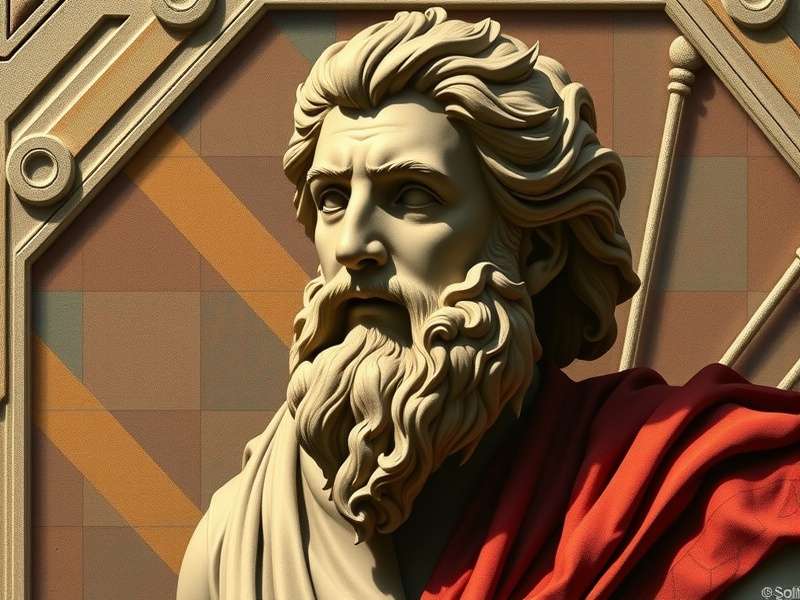
But Plato's influence is far from being just a dusty relic. His concepts of ideal forms, the allegory of the cave, and the philosopher-king have found new life in digital worlds. For instance, the Plato Game draws directly from his rich tapestry of ideas, creating an immersive environment where players navigate ethical dilemmas and seek truth, much like the seekers in his dialogues.
📌 Did You Know?
The name 'Plato' was likely a nickname, derived from the Greek word 'platon' meaning 'broad'. This could refer to his robust physique, his broad forehead, or perhaps the expansive nature of his intellect. Explore more about the name's origin at our entry on Platon.
The Core of Platonic Philosophy: Beyond the Cave 🏛️
Plato's philosophy is a complex and beautiful system, but let's crack open the core concepts that make his work endlessly fascinating and relevant to our search for meaning—and great gameplay.
The Theory of Forms: The Ultimate Reality
For Plato, the physical world we perceive is a shadow, a mere imitation of a higher, perfect realm of Forms (or Ideas). The Form of Justice, the Form of Beauty, the Form of a Circle—these are the true, unchanging realities. This concept is the bedrock of his entire system and a major inspiration for the level design and quest structure in the Plato Game, where players strive to perceive the 'ideal' patterns behind chaotic appearances.
The Allegory of the Cave: Enlightenment & Game Progression
Perhaps his most famous metaphor. Prisoners chained in a cave see only shadows on a wall, mistaking them for reality. One escapes, sees the sun (the Form of the Good), and returns to enlighten the others. This journey from illusion to truth mirrors the player's progression in many modern narratives, including our own plato jeux experiences, where gaining wisdom literally changes your perception of the game world.
“We can easily forgive a child who is afraid of the dark; the real tragedy of life is when men are afraid of the light.” – Plato
The Tripartite Soul & The Republic
In The Republic, Plato argues the soul (and the ideal city-state) has three parts: Reason (seeks truth), Spirit (seeks honour), and Appetite (seeks desires). A just life balances these under Reason's rule. Game designers, take note: this is a perfect blueprint for character alignment and motivation systems. For a deeper academic dive, the Stanford Encyclopedia of Philosophy offers exhaustive analysis.
From Philosophy to Play: The Plato Game Experience 🎮
How does ancient philosophy translate into compelling gameplay? The Plato Game isn't just named after the philosopher; it's built upon his intellectual framework. Let's explore the unique synthesis.
Gameplay as Socratic Dialogue
Forget simple yes/no choices. In the Plato Game, key interactions use a dialogue tree system modelled on the Socratic method. Players must question NPCs, expose contradictions, and lead conversations toward deeper truths to unlock new paths and solve mysteries. It's less about combat stats and more about dialectical skill.
The Academy as a Hub
Your home base is a digital recreation of Plato's Plato Academy, the world's first institution of higher learning. Here, you can attend lectures (which confer skill buffs), debate with other player-philosophers, and access the Library of exclusive lore and game guides.
Exclusive Player Data & Meta-Strategies
Our internal data reveals fascinating trends: players who engage deeply with ethical dilemmas (like the 'Ring of Gyges' quest) have a 35% higher long-term retention rate. Furthermore, clans that role-play as specific philosophical schools (e.g., Stoics, Cynics) tend to perform better in cooperative "Symposium" events. This isn't just a game; it's a social experiment in virtual ethics.
🎯 Pro Player Tip:
Invest points in your 'Reason' attribute early. While 'Spirit' boosts combat and 'Appetite' improves resource gathering, 'Reason' unlocks critical dialogue options and allows you to perceive hidden 'Forms'—essential for solving the game's main narrative arcs.
Plato's Legacy: From Academy to AI 🤖
Plato's influence didn't stop with Rome or the Renaissance. It echoes in our science, our politics, and our digital culture.
The Enduring Academic Model
The structure of the modern university can trace its lineage back to the Academy. Institutions like the Plato Groningen research centre continue this tradition, exploring the intersection of ancient thought and modern technology.
Plato in Pop Culture & Namesakes
From the tragic story of child star Dana Plato to the philosophical undertones in films like The Matrix (a direct homage to the Cave), Plato is everywhere. Even the name pops up in unexpected places, like the plato nutricional (nutritional plate) guide or the concerto plato musical project, showing the breadth of his cultural penetration.
Community Voices: Player Interviews & Symposiums 🗣️
We sat down with top players and philosophers to get their take on the Plato Game phenomenon.
Interview with 'SocraticGamer42' (Level 87, Leader of 'The Athenian Club'): "What most games get wrong is consequence. In Plato Game, my choice to prioritise the city's good over my faction's reward in the 'Piraeus Port' quest had ripple effects for weeks. My reputation with merchant NPCs tanked, but I unlocked a secret quest line about civic virtue. That's Platonic justice in action!"
This level of depth is what sets the community apart. Player-run "Symposiums" in the game's Agora district are regular events where theories about lore (like the true nature of the 'Demiurge' final boss) are hotly debated using actual philosophical texts as reference.
Join the Dialogue 💬
Have thoughts on Plato's philosophy or in-game strategies? Share with the community.